2026-11-12 · Mike Harlan
Winter Pipe Bursts And Resulting Water Damage In St. Louis Homes
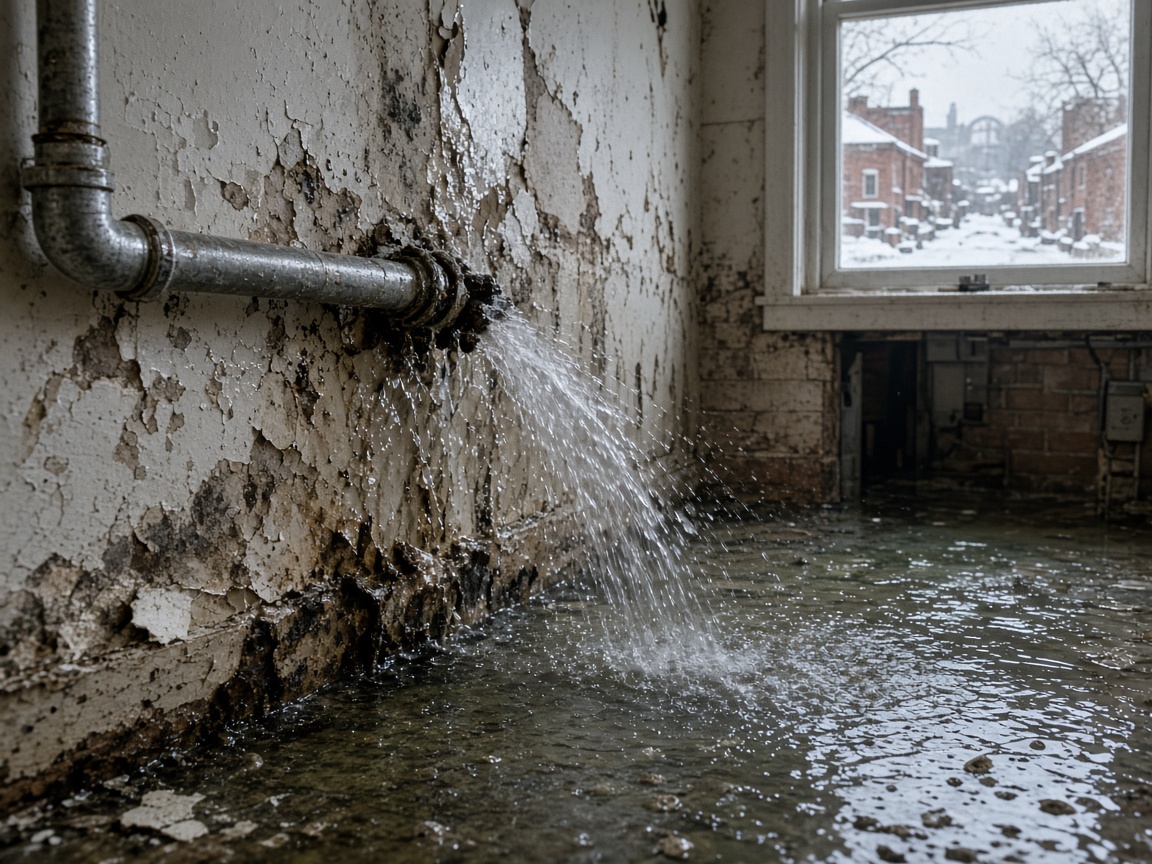
St. Louis winters bring frequent freezes that cause pipes to burst in homes built before 1950 across neighborhoods such as Soulard, The Hill, and Lafayette Square, often resulting in water damage that spreads through basements and walls within hours if not addressed.
Why Pipes Burst During St. Louis Cold Snaps
The region's humid continental climate produces sharp temperature drops that freeze water in supply lines, especially in unheated crawl spaces and exterior walls common in pre-war homes throughout Shaw and Benton Park. Older galvanized steel pipes in these areas expand and crack when ice forms, unlike newer copper or PEX lines found in parts of Clayton and University City. Severe storms add wind-driven cold that accelerates freezing in exposed plumbing near Forest Park Southeast and Downtown. Homeowners notice bursts most often after overnight lows reach 15 degrees or lower, with water pressure then forcing leaks through cracks as small as a quarter inch.
Signs of Burst Pipes in Local Housing Stock
Water stains on ceilings or walls appear quickly in multi-story homes common to Midtown and Carondelet, while reduced pressure at faucets signals a break upstream. Musty odors develop within 24 hours in humid basements of Tower Grove South properties when moisture soaks into plaster and wood framing. Visible puddles near water heaters or under sinks point to interior line failures in compact lots typical of Delmar Loop and Forest Park Southeast. Checking for these indicators early prevents mold growth that can start in 48 hours during St. Louis's damp winter air.
Steps to Limit Damage After a Burst
Shut off the main water valve immediately at the meter, usually located near the front foundation in homes across Lafayette Square and Central West End. Remove standing water with towels and buckets while avoiding electrical outlets to prevent shocks. Document the affected areas with photos before any cleanup begins, noting how water traveled through floors in older construction. Contact a restoration team experienced with local conditions once the source is isolated.
Prevention Measures for St. Louis Winters
Insulate pipes in unheated spaces using foam sleeves rated for temperatures down to zero degrees, a step that helps in drafty basements of Soulard and Benton Park homes. Leave cabinet doors open under sinks during cold snaps to allow warm air circulation around supply lines. Schedule annual inspections of plumbing in neighborhoods with high percentages of 80-year-old homes like The Hill to catch weak joints before freezes hit. These habits reduce burst frequency in the independent city where winter storms arrive regularly from November through March.
For deeper guidance on handling related flooding, see How To Handle Basement Flooding After St. Louis Spring Rains. Readers dealing with older properties can review Cost Factors For Water Damage Restoration In St. Louis Older Neighborhoods. When professional Water Damage Restoration or Water Damage Repair is needed, local crews familiar with St. Louis conditions respond from their base at 10550 Kahlmeyer Dr during posted hours.