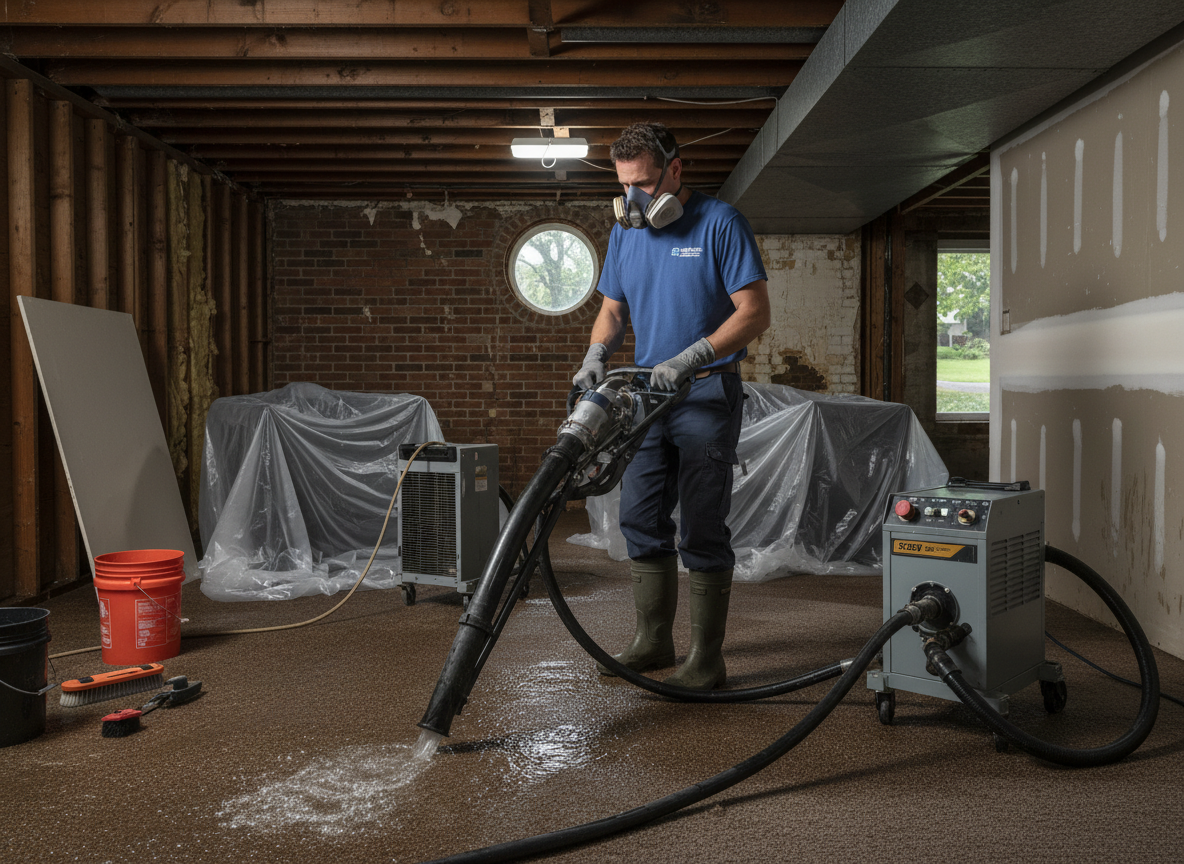
St. Louis Water Damage Restoration pros reach Glen Carbon via I-270 to handle water damage restoration on properties ranging from 1960s ranches along Edwardsville Road to newer subdivisions near the bluffs. Frequent severe storms push water into basements and crawl spaces where clay soils hold moisture against foundations. Crews extract standing water, set drying equipment and open walls to prevent hidden mold growth in these split-level and ranch homes.
Older homes close to Miner Park and the historic village center often have narrow driveways and limited side access that require smaller equipment and careful staging of dehumidifiers. We coordinate with Madison County residents to schedule around work commutes and school drop-offs at nearby districts while completing water damage repair that addresses both the immediate leak and long-term drainage fixes suited to the area’s rolling terrain.
Service calls from Glen Carbon typically involve post-storm inspections after heavy rains funnel water toward lower lots bordering the Madison County Transit trails. Technicians document affected rooms, remove saturated carpet and insulation, and apply antimicrobial treatments before reconstruction begins.
Around 47. Glen Carbon
We regularly work near:
- 📍Miner Park
- 📍Glen Carbon Heritage Museum
- 📍Southern Illinois University Edwardsville
- 📍Interstate 270
- 📍Edwardsville Road
Water Damage Restoration in 47. Glen Carbon — Local Notes
- •Glen Carbon’s clay-heavy soils and hillside lots cause water to pool against foundations after storms, requiring extra perimeter drainage checks during every water damage restoration job.
- •Many 1970s-1980s ranches near Edwardsville Road have finished basements with limited egress, so crews prioritize quick water removal to protect electrical systems and avoid structural shifts.
- •Access via I-270 means morning rush-hour delays; we stage equipment the evening before larger jobs in subdivisions west of the village center.
- •Historic district homes near the Heritage Museum often feature stone foundations that demand slower, targeted drying to prevent cracking during water damage repair.